
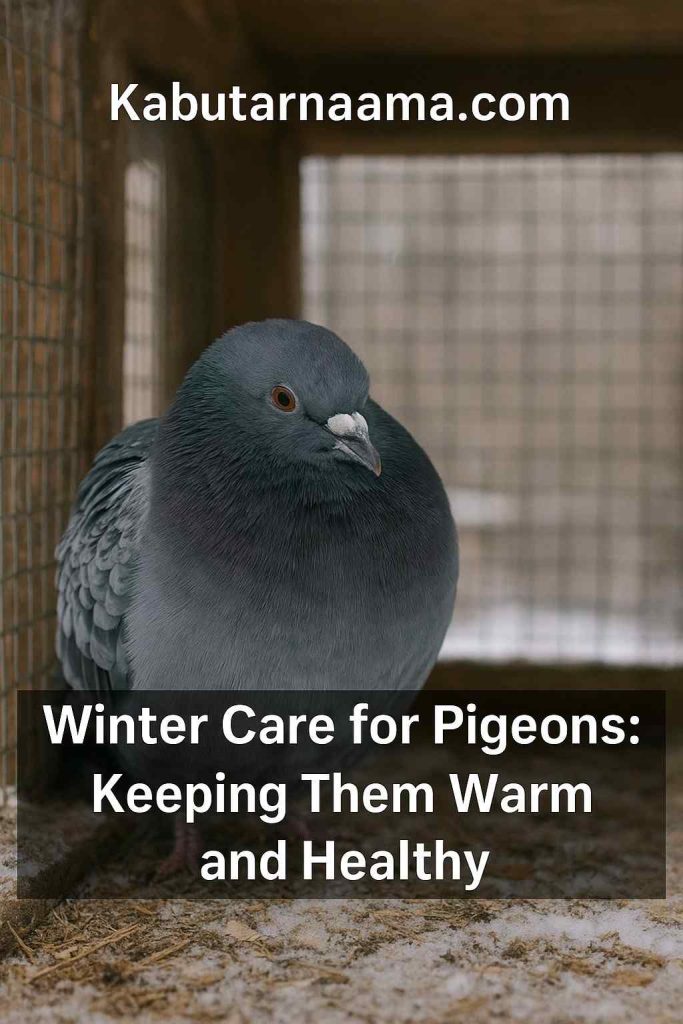
While pigeons are hardy birds, winter brings its own set of challenges that can put them at risk. Cold winds, freezing temperatures, and damp conditions can weaken your pigeons, making them more vulnerable to illnesses. Proper winter care is essential to ensure your pigeons remain healthy, active, and comfortable throughout the season.
At Kabutarnaama.com, we care about your birds just as much as you do. That’s why we’ve compiled this detailed guide on how to protect and care for pigeons during the winter months.
1. Keep the Loft Warm but Ventilated
One of the biggest mistakes pigeon keepers make in winter is completely sealing their lofts. While it may keep out the cold, it also traps moisture, which can cause respiratory problems.
Tips for loft care:
- Insulate the loft using wood panels, straw, or cardboard without blocking airflow.
- Make sure there’s ventilation at the top to allow moisture to escape.
- Keep pigeons off the cold floor by using raised perches and bedding.
A balance of warmth and airflow keeps pigeons both cozy and healthy.
2. Provide Extra Bedding
Cold surfaces can stress pigeons and lower their immunity. Adding proper bedding helps retain warmth.
Good options include:
- Straw or hay (changed regularly to avoid dampness).
- Wood shavings or sawdust.
- Old clean cloth pieces if natural bedding isn’t available.
Never allow bedding to remain wet, as this leads to mold and health problems.
3. Adjust Feeding for Winter
During cold months, pigeons burn more energy to maintain body heat. This means they need extra nutrition.
Winter diet should include:
- Energy-rich grains like corn and wheat.
- Oil seeds such as sunflower seeds for extra warmth.
- Vitamins and mineral supplements to boost immunity.
Feeding them twice daily, once in the morning and once before nightfall, helps maintain steady energy levels.
4. Fresh, Unfrozen Water Supply
One major issue in winter is frozen water. Pigeons can dehydrate if they don’t have constant access to fresh water.
Solutions include:
- Checking and replacing water bowls several times a day.
- Using slightly warm water during freezing days.
- Placing water inside the loft instead of outside.
Clean, fresh water is just as vital in winter as in summer.
5. Protect Against Drafts and Rain
Winter isn’t just about cold—it often comes with rain, snow, or icy winds. Protecting pigeons from direct exposure is critical.
- Ensure the loft roof does not leak.
- Place windbreaks on the sides exposed to strong winds.
- Keep perches dry at all times.
Dampness is more dangerous than cold itself because it leads to fungal and respiratory issues.
6. Health Checks and Observation
Winter stress makes pigeons more vulnerable to illness. Regular observation is the key to early detection.
Look out for:
- Ruffled feathers and low activity.
- Sneezing, coughing, or nasal discharge.
- Refusal to eat or drink.
Any sick pigeon should be isolated immediately and provided with warmth and veterinary care if needed.
7. Allow Sunlight Exposure
Whenever possible, let your pigeons enjoy sunlight during the day. Sunlight provides natural warmth and Vitamin D, which strengthens bones and immunity.
If outdoor flying isn’t possible, ensure loft windows allow natural light to enter.
Conclusion
Winter care for pigeons is all about balance—keeping them warm without trapping moisture, feeding them well without overdoing it, and ensuring a clean, dry, and comfortable living space. With a little extra attention, your pigeons can thrive even during the coldest months of the year.
At Kabutarnaama.com, we believe healthy pigeons are happy pigeons. By following these winter care tips, you’ll keep your flock safe, strong, and ready for the warmer seasons ahead.