
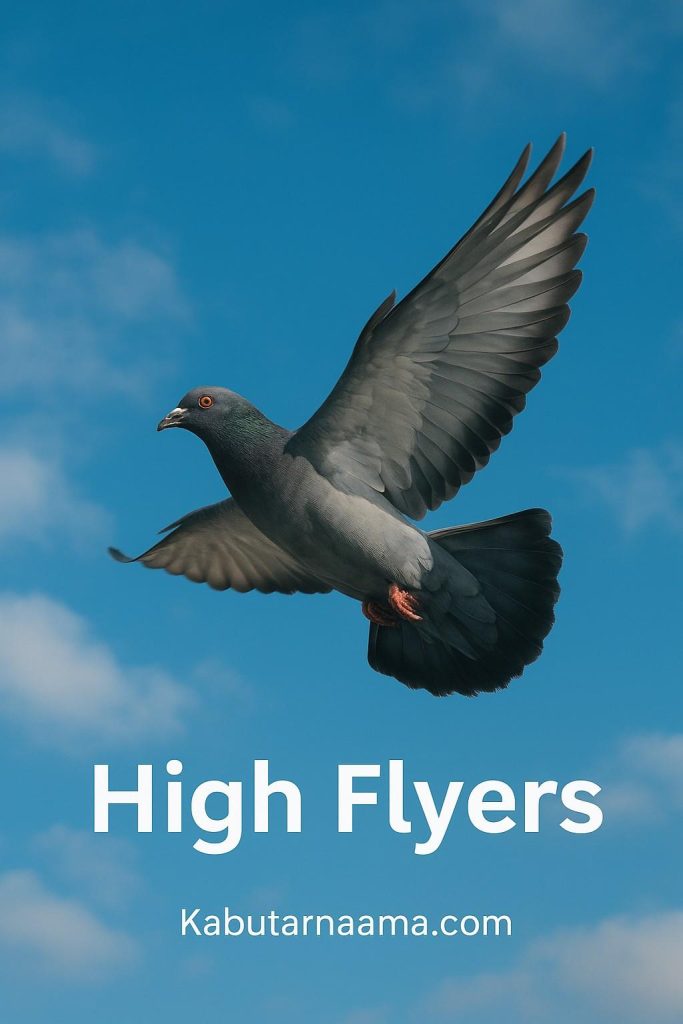
High-flying pigeons are not only admired for their endurance but also hold a deep cultural significance in many countries. From being symbols of peace to representing tradition and sport, these birds have been cherished for generations.
Ancient Roots
Pigeons have been domesticated for over 5,000 years. While homing pigeons were used for communication, high flyers became popular in regions where pigeon flying turned into a traditional sport. In countries like Pakistan, India, and parts of the Middle East, pigeon flying has been a beloved hobby passed down through families.
A Sport of Patience and Pride
High-flying pigeon competitions are taken seriously in many cultures. Fanciers train their pigeons for months to participate in flying contests, where birds are judged on height, endurance, and discipline. Winning such contests brings great pride to the owner.
Symbolism in Culture
In addition to sport, pigeons have symbolic meanings. They are seen as signs of freedom, hope, and spirituality. High-flying pigeons, in particular, symbolize the human dream of reaching new heights.
Modern-Day Relevance
Today, pigeon flying is both a passion and a profession for many. Breeding and selling high flyers has become a business, and pigeon shows attract enthusiasts worldwide. Websites like Kabutarnaama.com now preserve and share this knowledge for new generations.
Conclusion
High-flying pigeons are more than just a hobby – they are part of history, culture, and human connection with nature. Their story continues to inspire both fanciers and casual admirers across the globe.